
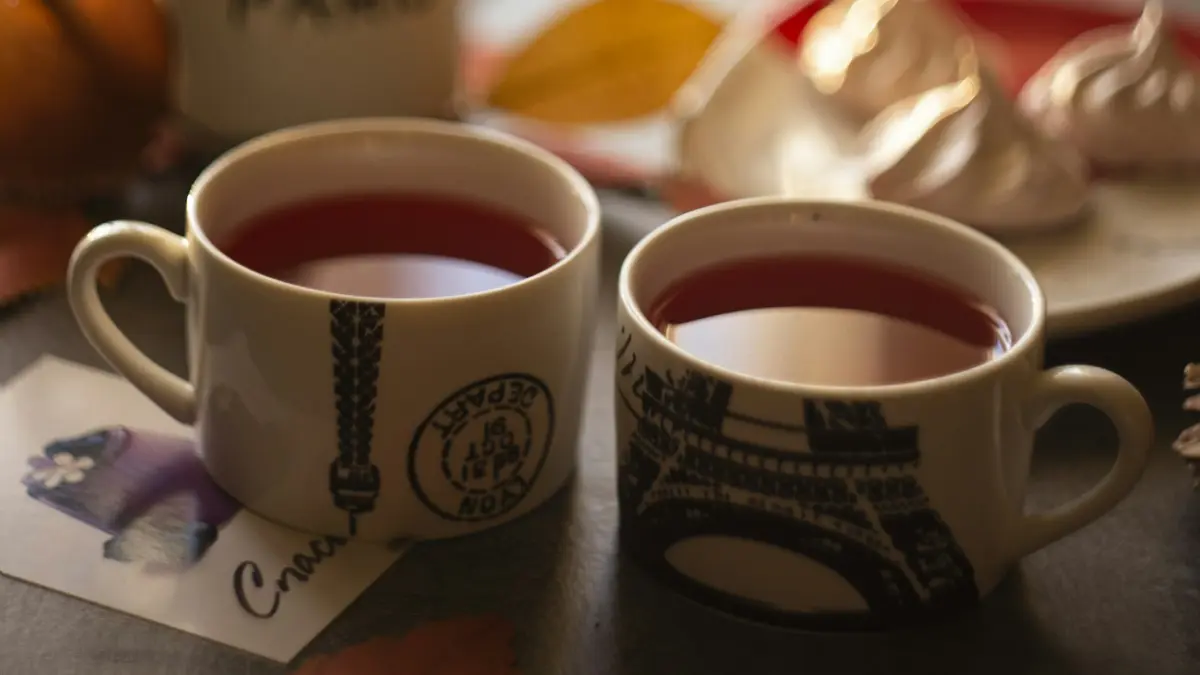
Photo: Yana Gorbunova / Unsplash · Unsplash License · cropped
Sober dating ideas should not feel like ordinary dates with the enjoyable part removed. Choose something you both want to do, and alcohol does not have to become the subject of the evening.
You might never drink, be taking a break or simply prefer a clear-headed first meeting. None of those choices requires a personal explanation. The useful question is what setting would help both people feel comfortable.
For someone you have not met before, choose a busy public place with staff nearby and an easy way to leave independently. A home-cooked meal or isolated walk is not an equivalent first-meeting alternative just because it is alcohol-free.
Decide whether you want no drinking or an alcohol-free venue
Those are different things. A gallery café or bowling venue may serve beer and wine even when you order tea. A bar with mocktails still centres part of the experience on alcohol.
Ask your date what they prefer without requesting a medical or recovery history. “Would you rather go somewhere that does not serve alcohol at all?” is enough. Check the venue directly rather than relying on a photograph of its daytime menu.
The ideas below are activities you can do without drinking. They are not a promise that every venue offering them is alcohol-free, and they are not advice about recovery or treatment.
Twelve sober date ideas with room to talk
1. Breakfast or a daytime café
An ordinary daytime café is a useful default because the plan can remain short. Choose somewhere staffed, reasonably busy and comfortable for conversation, with a clear meeting point inside rather than an empty car park outside.
Make the invitation specific: “Would you like breakfast in town on Saturday?” gives the other person a clearer picture than “We should hang out”. Agree the place together and check whether either person has dietary or access requirements.
2. A gallery with a café afterwards
Pick a manageable exhibition, not a mission to see every room. You can each choose one work you would like to discuss, including one you do not understand. Disagreeing about a painting is fine; performing expertise is unnecessary.
Leave the café as an option rather than a compulsory second booking. For local possibilities, our Leicester guide and Nottingham guide identify galleries and current limitations. Check the programme because an open building can still have galleries between exhibitions.
3. A beginner-friendly board-game café
Ask staff for a short game with simple rules. The aim is to create an enjoyable shared activity, not spend the entire meeting learning a system or proving who is better at strategy.
If someone dislikes competitive games, choose a cooperative option or a different activity. Ask about table fees and the drinks menu before booking. A board-game café is not automatically an alcohol-free setting.
4. Indoor mini golf
Mini golf gives you turns, movement and obvious conversation starters. Neither person has to be good. Choose one course and leave time afterwards to decide whether you want to continue talking.
Check noise, lighting, stairs and whether the venue is primarily a bar. Some places are deliberately loud and immersive. That can be enjoyable, but it is not the best fit for everyone or a guarantee of an easy conversation.
5. Pottery painting or a short craft session
A small practical task can give you something to do with your hands while you talk. Choose a format that leaves room for conversation rather than a long technical class in which speaking would interrupt the tutor.
Check the total cost, length and collection arrangements. Some pieces need firing and a later collection. Arrange your own collection rather than using it as an excuse to obtain your date’s home address.
6. A bookshop and a hot drink
Choose one book you would genuinely read, not one intended to make you look impressive. Browse briefly, then compare discoveries somewhere you can speak without disturbing other customers.
You do not need matching tastes. A person who likes biographies and someone who likes fantasy can still enjoy explaining what draws them into a book. Treat the difference as a conversation, not a failed compatibility test.
7. A food market at lunchtime
A daytime market can work when there are occupied stalls, other visitors and nearby places to sit. Each choose a small snack and compare what tempted you. You need not turn lunch into an elaborate tasting menu.
Check that the market is actually running on the intended day. Consider noise, queues, standing time and weather. Market browsing is less useful if either person needs reliable seating and accessible toilets which are not available nearby.
8. Bowling, pool or shuffleboard
Choose one activity rather than buying a package that commits you to a full evening. A short game provides natural pauses, but it should not replace the conversation you came to have.
These venues often sell alcohol. Ask in advance if a licensed environment would make either person uncomfortable. A community sports venue or a different daytime activity may be a better option than a bar-led games experience.
9. A staffed museum visit
Choose a subject that interests at least one of you, then let curiosity do some of the work. You can react to an object or display without turning the date into a sequence of personal questions.
Check current galleries and whether specialist exhibitions need separate tickets. Limit the initial plan to a section you can comfortably explore. Museum fatigue is not a useful test of somebody’s commitment to seeing you again.
10. A daytime talk with time on either side
A short author event, demonstration or public talk can provide something to discuss. Meet before it starts so that the first hour is not spent sitting beside a complete stranger in silence.
Book only after agreeing the subject, cost and timing. An event advertised as a talk may be followed by drinks, so check the format rather than assuming the whole programme is alcohol-free.
11. Tea and cake as the entire plan
There is no need to apologise for a simple date. Pick somewhere with a good choice of food and a table where neither person has to shout. The location and conversation are enough.
Avoid turning food into a challenge: nobody has to order the largest cake, try something they dislike or justify what they eat. A considerate response to a small preference tells you more than an elaborate itinerary does.
12. A short, busy high-street wander after coffee
Only add the walk if you both want it. Stay on well-used central streets with open businesses, and decide where the extension ends. You can keep chatting without drifting somewhere isolated.
Daylight alone does not make a route suitable. If the street or park is unexpectedly empty, stay in the café or choose another staffed place. A pleasant rural route can wait until you have considered whether that setting feels appropriate together.
How to suggest a date without alcohol
Try: “I’m not drinking, but I’d really like to meet. Would coffee and a gallery suit you?” Or: “Could we choose somewhere that doesn’t revolve around the bar? I’d enjoy a game or lunch.”
You do not need to soften a preference with an apology. Equally, make room for the other person to suggest something different. The point is to agree on a comfortable plan, not to persuade someone to enjoy an activity they dislike.
If your date does drink, ask whether they are happy to keep this meeting alcohol-free. A considerate response should not require you to reveal personal history. Persistent pressure is a reason to reconsider the meeting, not something you must overcome politely.
Keep the first plan affordable and easy to end
Check the full cost for two people, not a promotional price based on a large group. Confirm whether booking, equipment or table charges are extra. Agree a budget before either person pays a non-refundable deposit.
You can say in advance that you have around an hour. That need not be an invented emergency. A manageable first meeting gives both people room to decide whether they want another, with no obligation to extend it.
Frequently asked questions
Is a coffee date too ordinary?
Not if you both want a chance to talk. Choosing a comfortable place and showing an interest in the other person matters more than demonstrating how unusual a date you can invent.
Do I have to explain why I do not drink?
No. You can share the information you want to share, when you choose. “I’m not drinking” is a complete answer. Practical venue preferences can be discussed without explaining the reason behind them.
Are mocktail bars suitable for sober dating?
For some people, yes. For others, a bar environment is exactly what they want to avoid. Check with your date before choosing one, and do not assume that a zero-alcohol menu makes the setting suitable for everyone.
How do I keep the conversation going?
Respond to what they say and offer your own answers rather than asking questions continuously. Our first-date questions are optional starting points, not an interview script. For a wider range of public activities, see 35 first-date ideas.